Resources
Energise Your Organising With These Reading Recommendations
From poetry to Radical Futures, our team shares what they’ve been reading that has supported and inspired them in their organising work.
Act Build Change | 25 Jun 2026
This post uses affiliate links which means that when you buy an item using the link provided we receive a portion of the sale. Affiliate links are marked with a ⟡
As organisers we are constantly learning. We learn by doing – from those around us and those who came before us. We can learn and expand our understanding of the world and the power systems we live in in so many different ways. Over the years we’ve shared lots of resources – from books to documentaries to poetry to reports. Today we’re sharing some recent reading recommendations that have supported our team’s work and outlook on organising.
The Social Distance Between Us by Darren McGarvey
Recommended by Emma Batrick, Community Organiser at Act Build Change
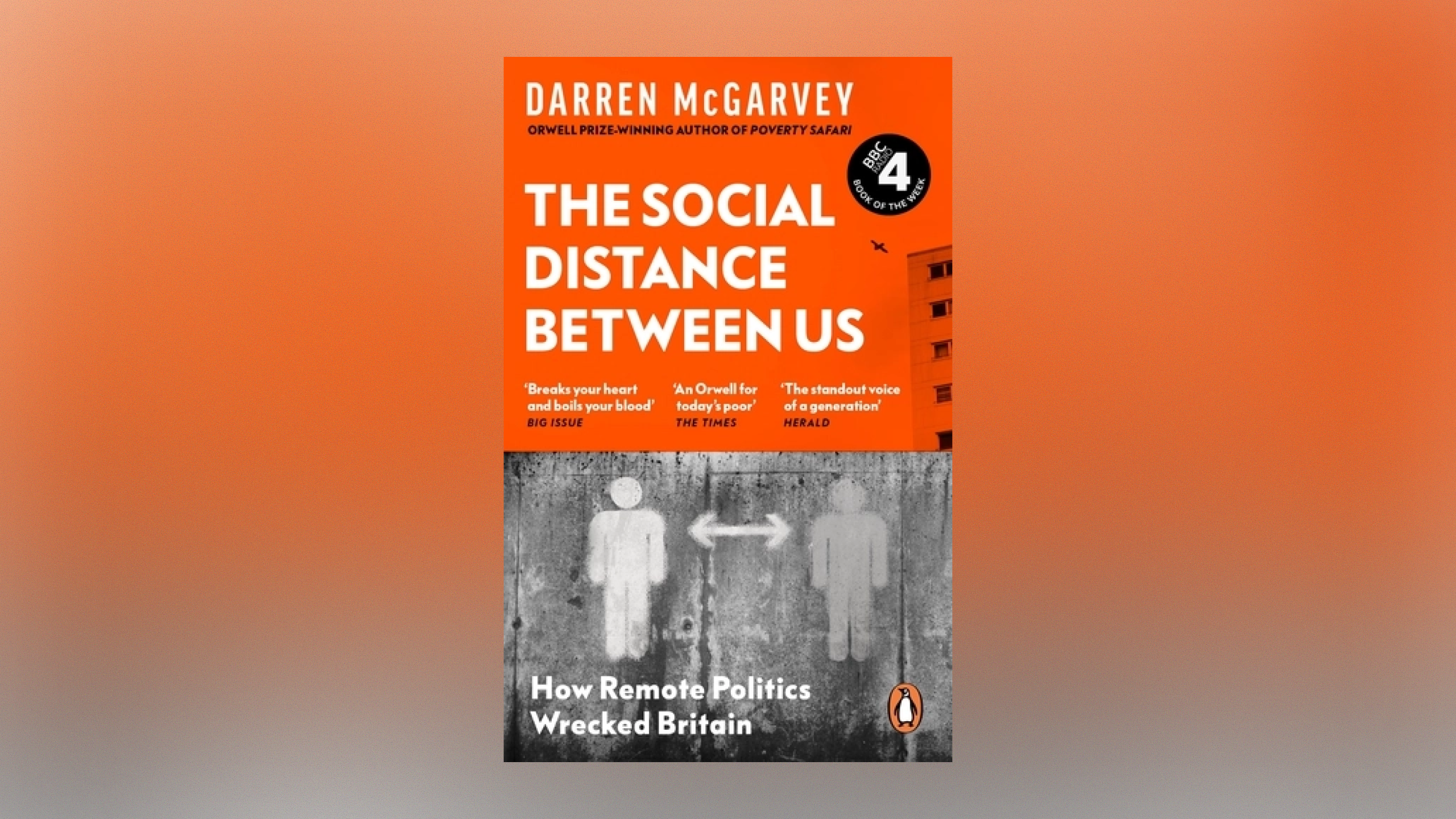
For the past few years I have found myself in conversation with politicians, policy makers and charity leaders, sharing their frustration that the outcome of their well-researched and well-intentioned initiatives was not as hoped. Why aren't people engaging? Why are we being met with what feels like distrust and apathy? And why, despite intervention, hasn't social mobility or aspiration increased? My first answer to these questions will always be ‘talk to the people’, followed quickly by ‘you need to read The Social Distance Between Us: How Remote Politics Wrecked Britain. You'll find all the answers in there.’
Travelling the country, McGarvey explores deep social problems and imbalances of power through issues including homelessness, addiction, land ownership, treatment of immigrants, and the role the education system plays in fulfilling the needs of the low-end labour market. He also examines why working class communities elect politicians of vastly different backgrounds and life experiences to themselves.
Despite not visiting my part of the country, I saw my community, what has actively been done to it, and potential solutions in his pages. At the same time, I see there is hope if we strip away assumptions and stereotypes, and trust people to know the right answer for their own lives and communities. We don't have to give in to populism. We need to bring humanity back into everything that we do, including our systems and services, reducing the social distance between policy, politics and people – shifting power and doing things with communities, not at them.
Buy The Social Distance Between Us on Bookshop.org
Radical Futures Toolkits by shado mag
Recommended by Son Olszewski, Community Organiser at Act Build Change
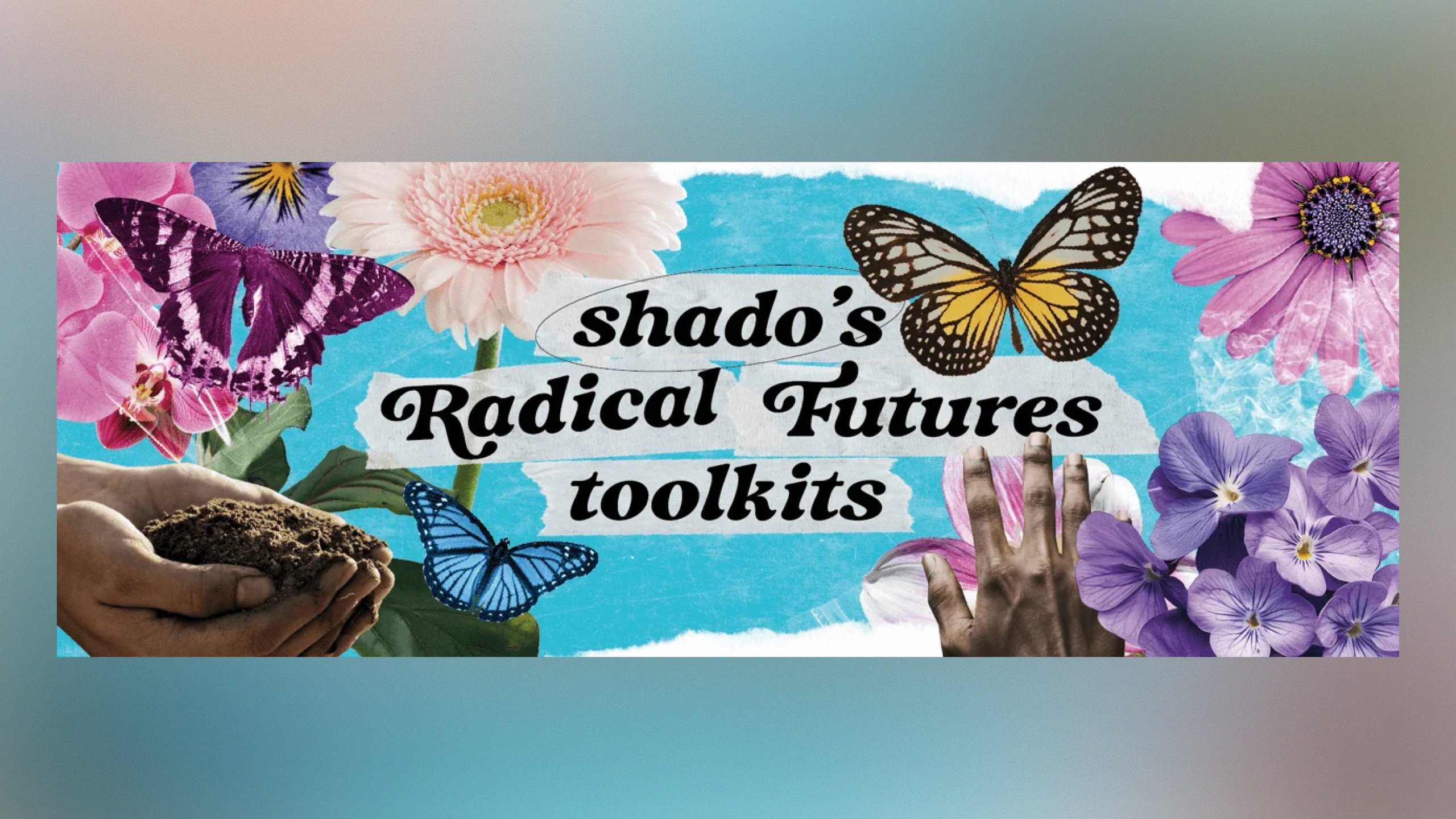
shado mag is a lived-experience led community of artists, activists, organisers, creators and writers united in the fight for social justice and collective liberation. Their Radical Futures Toolkits are essentially start-packs on different topics, designed to help us thrive beyond our current oppressive systems, all while grounding ourselves in existing projects, resources and communities already putting liberatory practices to work.
These toolkits offer a digestible deep-dive into issues such as Decolonised Education, Border Abolition, and Living in a Degrowth Economy. Each breaks down key points, defines relevant terms, and provides further resources for you to delve deeper into these topics. I helped contribute to a future toolkit, so keep your eyes peeled for new additions!
Download the Radical Futures Toolkits.
There Are Rivers in the Sky by Elif Shafak
Recommended by Stephanie Wong, CEO at Act Build Change
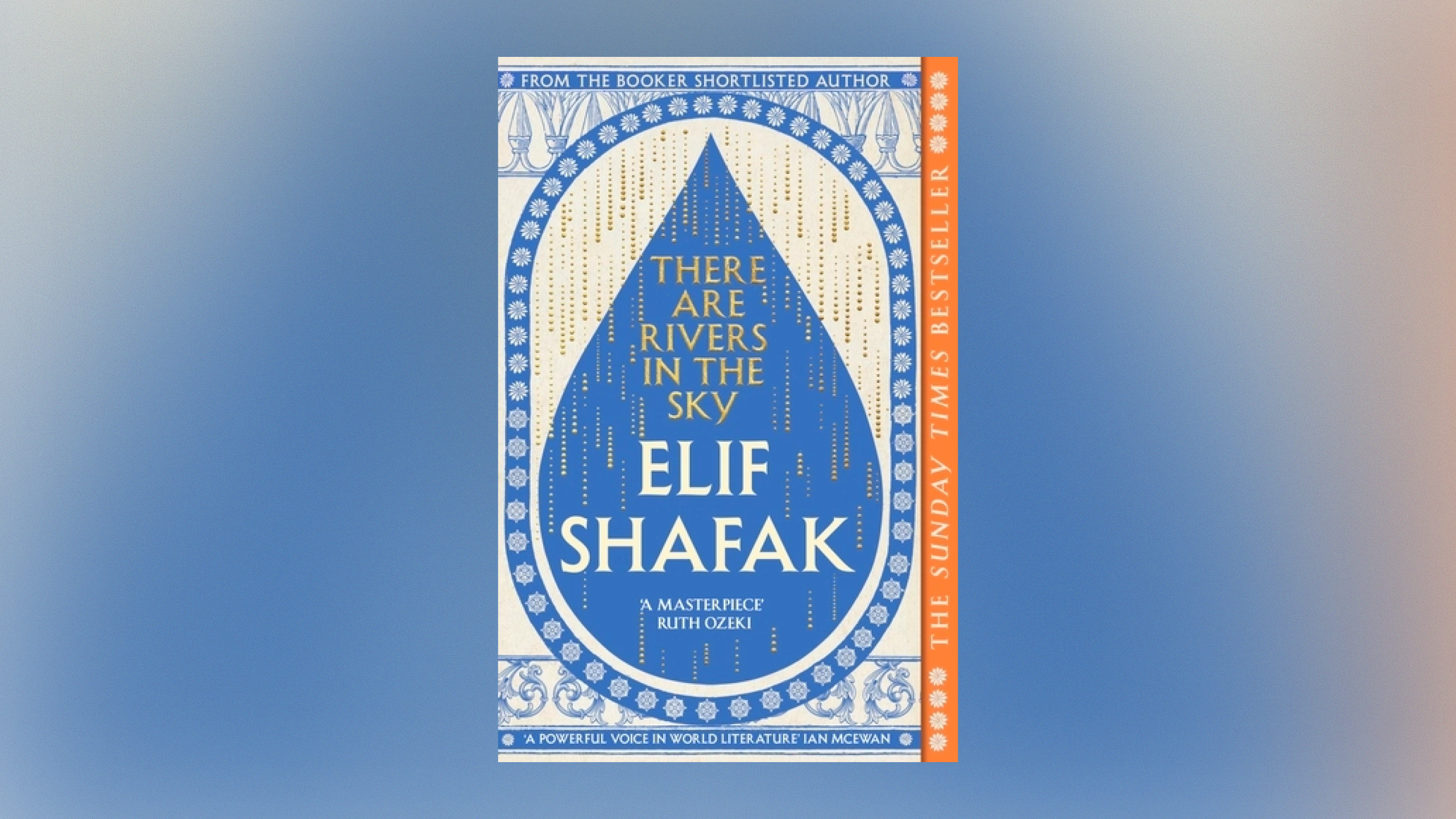
There Are Rivers in the Sky by Elif Shafak was a book that supported me this year, as I felt overwhelmed and inadequate to articulate or act in resistance to the sheer amount of dehumanisation of our current times. It follows three lives across centuries, an Englishman by the Thames, a Yazidi girl by the Tigris, and a hydrologist in modern London, all connected by a single drop of water. At a time when we are watching displacement, the erasure of cultures, and the destruction of lands happen in real time, this novel holds all of that with devastating tenderness. Water is the thread, both life-giving and grief-carrying, and Shafak reminds us that rivers do not recognise borders, and neither does human suffering. It asks who gets remembered and who gets forgotten, whose history is preserved and whose is plundered. For anyone trying to make sense of the world right now, this book does not offer easy answers, but it offers something rarer, the feeling that these stories matter, that they are connected, and that we are too.
Buy There Are Rivers in the Sky on Bookshop.org
Poyums Annaw by Len Pennie
Recommended by Chris Jardine, Head of Operations at Act Build Change
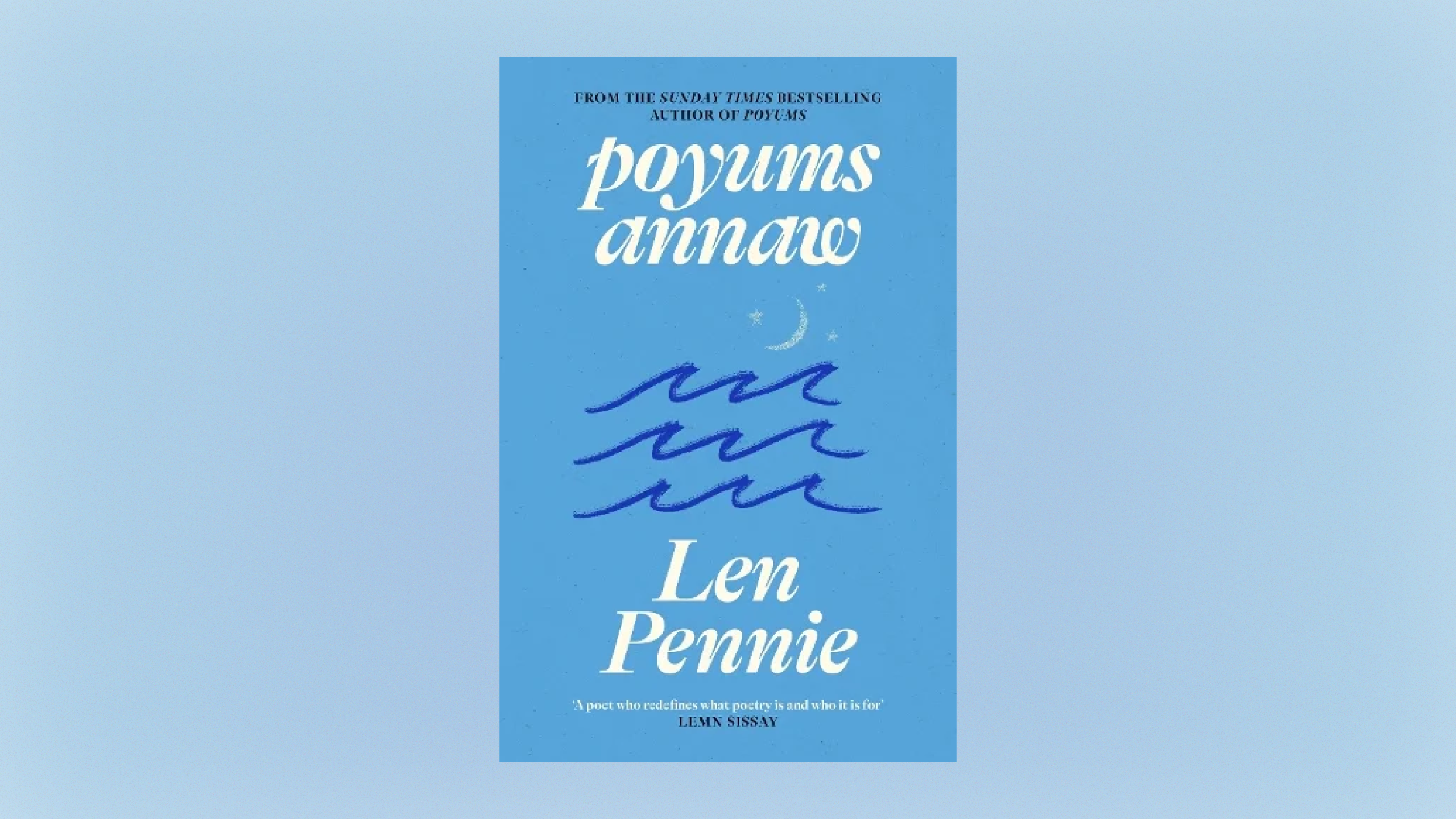
It has been said that the difference between a dialect and a language is an army and a navy. Community organisers will be aware of how power shapes not only the world we live in, but also how we perceive it and how our use of language can convey power and prestige.
Poyums Annaw is the second collection of poems by Len Pennie, a Scottish poet and Scots language and mental health advocate. Writing in both Scots and English, Pennie confronts patriarchy, gender-based violence and societal injustice, agitating and entertaining in equal measure.
With titles including The Feminine Urge, Bilingualism, Oor World’s oan Fire and On Ruining Our Future with Their Legislation, you very quickly grasp the wide-ranging themes of this anthology, as well as its ambition.
I remember as a primary school student in rural Ulster being told that ‘wee’ wasn’t a ‘real word’ because ‘it isn’t in the dictionary’ (despite, in fact, it being in the Oxford Dictionary). The very use of the Scots language as the medium for exploring these social justice issues has its own poetic resonance.
Buy Poyums Annaw on Bookshop.org
Not Too Late: Changing the Climate Story from Despair to Possibility edited by Rebecca Solnit and Thelma Young Lutunatabua
Recommended by Jemima Elliott, Communications Officer at Act Build Change
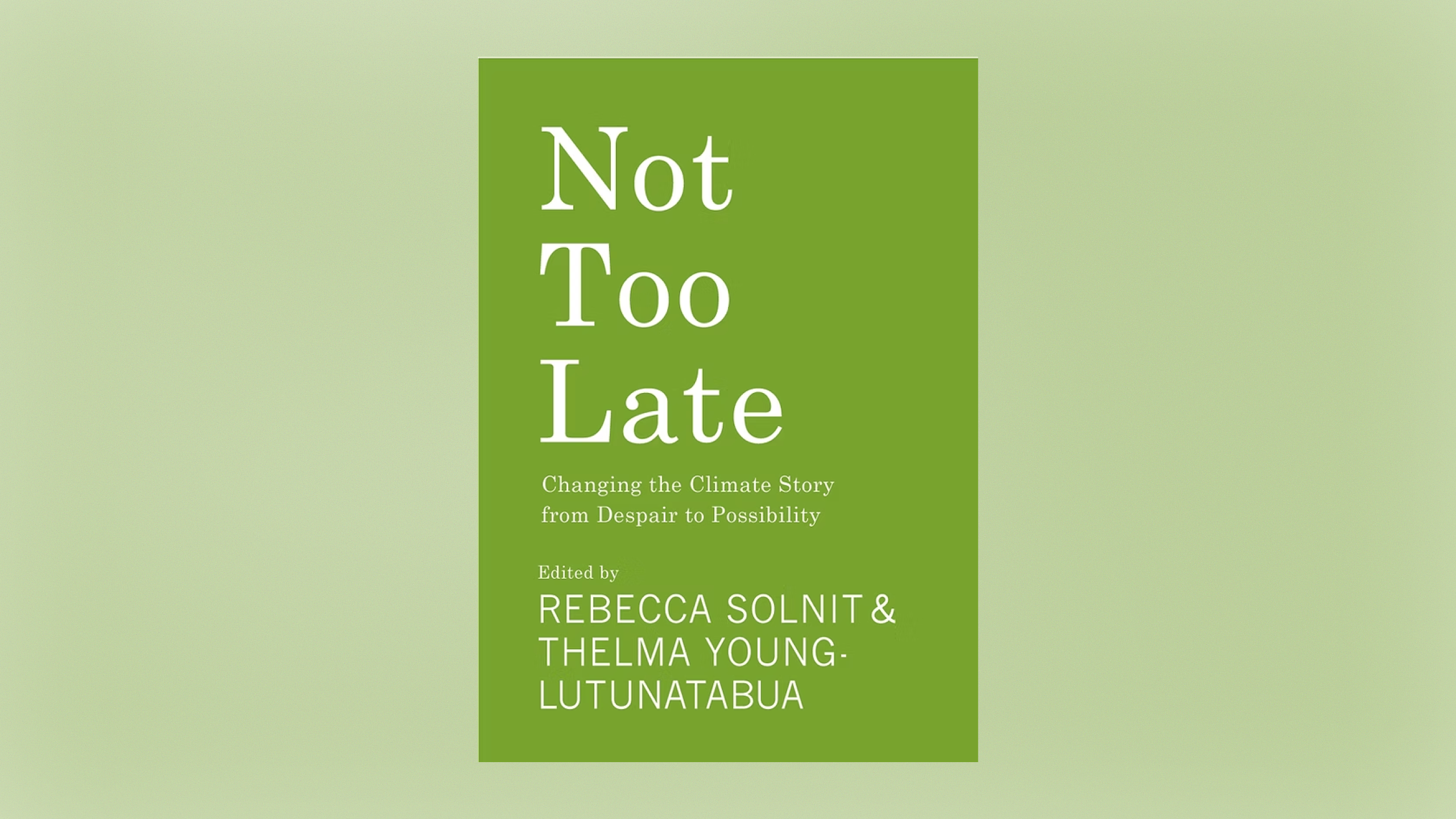
Not Too Late is a collection of hopeful climate essays by climate scientists, lawyers, activists, and campaigners. When narratives around the climate crisis and climate action often fall into doomism, this book is a powerful antidote that reminds us that it’s never too late to take climate action. With 21 contributors (plus the two editors) from across the world sharing their insights from a variety of perspectives and issues, this book is intended to be a starting point for learning and a spring board into organising, whatever that looks like for you. Alongside the book, editors Solnit and Lutunatabua have compiled accompanying resources on the Not Too Late website, including a study guide to help you get the most out of it.
Buy Not Too Late on Bookshop.org
The Case of the Missing Lake by Colby Devitt
Recommended by Corinne Appadoo, Project Manager at Act Build Change
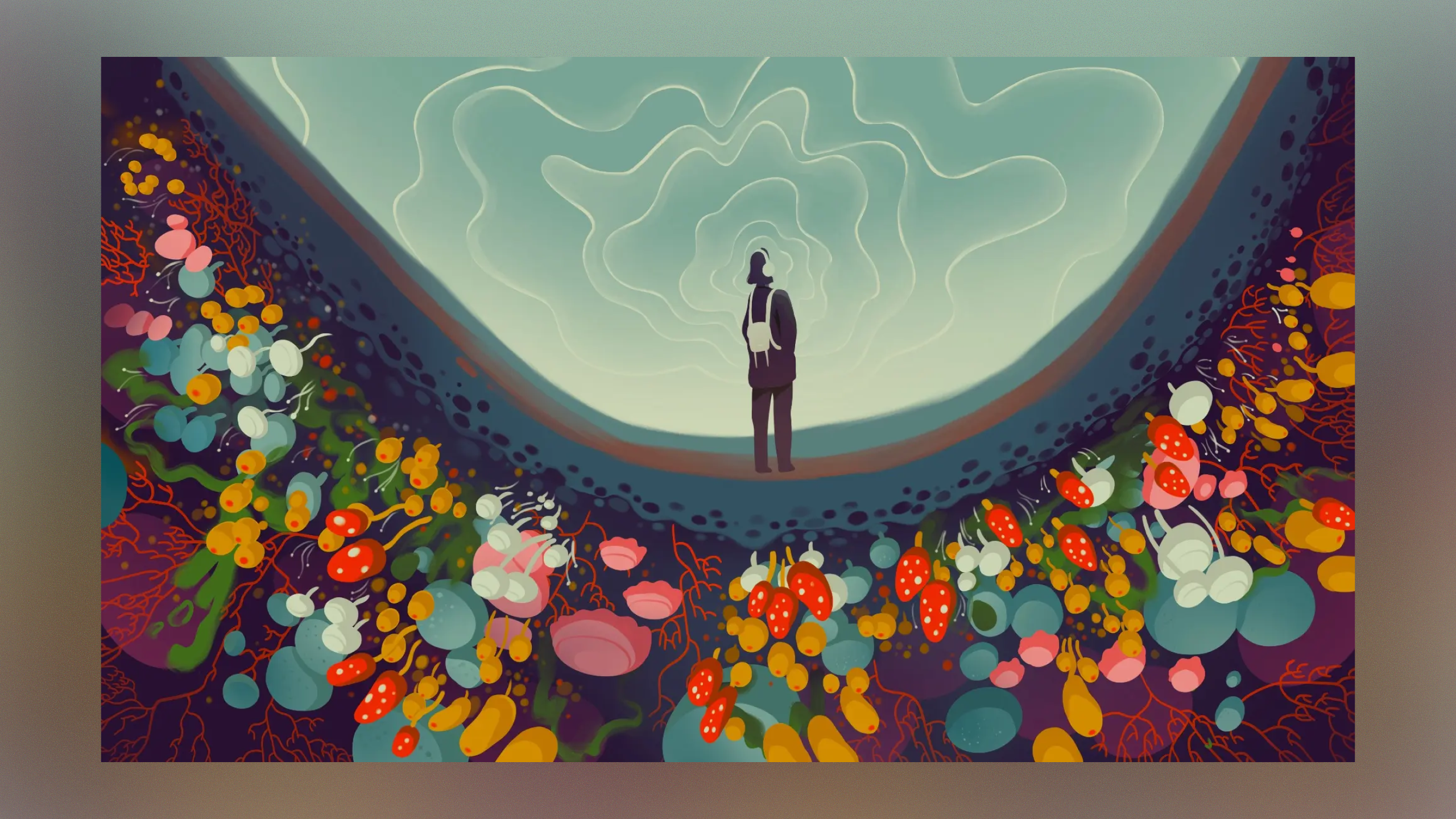
This short story imagines our world’s future as non-binary; where bodies of water and other nonhuman beings have status and rights, we communicate with mushrooms, and we move out of nature’s way. Reading this story gave me a flicker of hope in these bleak times. A signal that stewarding Earth is the path to liberation.
It is part of the Grist Imagine 2200 initiative, which engages writers from across the globe to envision the next generations of climate progress. Stories from Imagine 2200 are something I turn to when I need reminding that my ability to hope only exists because my ancestors dared to imagine a future more free than theirs.
Read The Case of the Missing Lake.
You Have Not Yet Been Defeated by Alaa Abd El-Fattah
Recommended by Latifa Akay, Lead of Learning and Impact at Act Build Change.
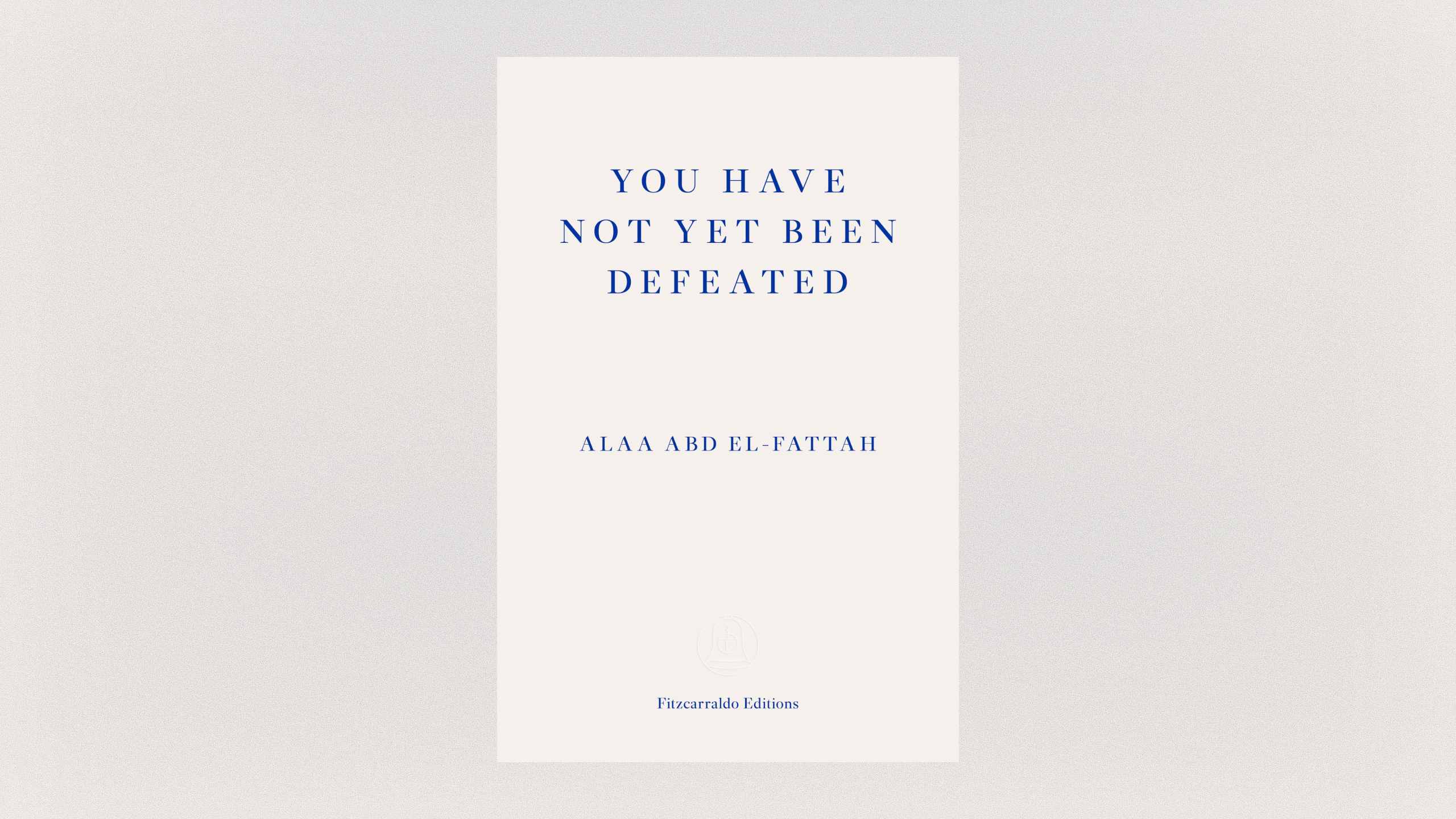
After a long time on my to-read list, I read You Have Not Yet Been Defeated last June. At that time just south of the Thames, Alaa Abd El-Fattah’s mother Laila Soueif was at risk of death in Guy’s and St Thomas’ hospital after 250 days on hunger strike. This wasn’t Laila Soueif's first hunger strike to protest the illegal imprisonment of her son. It was profoundly moving to read Alaa’s instructive writing as his mother steadfastly continued her strike for her son’s freedom.
The British-Egyptian writer, technologist and activist was a leading voice in the 2011 Arab Spring protests that toppled former Egyptian president Hosni Mubarak. He was then targeted repeatedly by Sisi’s government and spent his last five years in prison for a Facebook post.
Months later in September, the news of Alaa’s pardoning and release from prison was a precious moment of hope to cling to. Photographs of Alaa hugging his mother Laila and his wider family lit up the internet for weeks.
You Have Not Yet Been Defeated is a selection of Alaa’s speeches, diary reflections, essays, interviews and social media posts, many of which were written from inside prison. Titles include Dear Customer Thank You For Holding, A Portrait Of The Activist Outside His Prison, Five Metaphors on Healing, and Palestine On My Mind. Alaa’s writing is a powerful reminder of the need to strengthen solidarity – across political struggles, global contexts, and with prisoners – and a simultaneously heartbreaking and heartening rallying cry in painful times. Read it and pass it on.
Buy You Have Not Yet Been Defeated on Bookshop.org
For more resources recommended by our team and community, check out our other resource stories, and please share your thoughts and recommendations in the comments!