Voices
How Collective Care Has Changed the Way I Organise
Caring about people doesn't mean carrying everything for them – Hope Barnes, a Shelter organiser, on what changed when she set clearer boundaries.
Hope Barnes | 21 May 2026
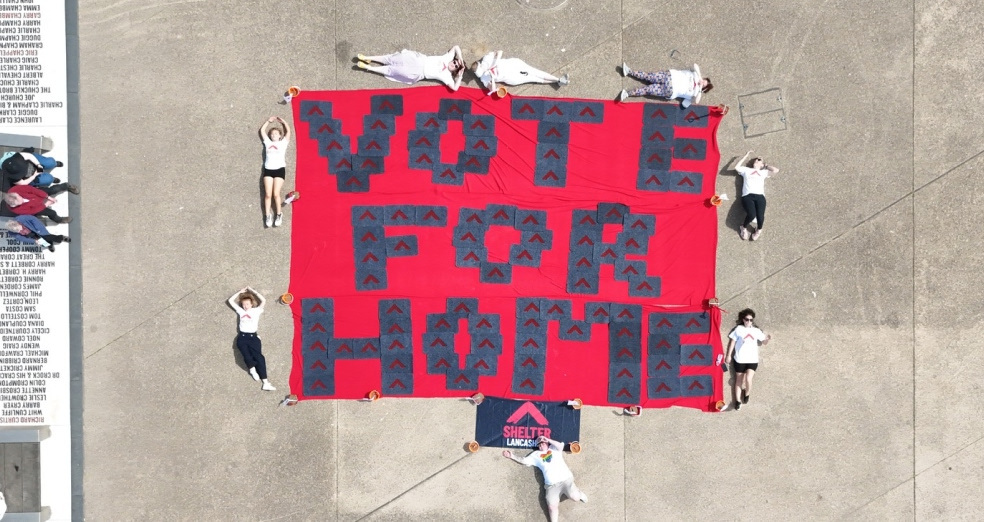
When I started at Shelter 10 years ago, I worked as an advisor, supporting local people with housing issues and homelessness. I loved my role but it felt like I was just putting a plaster on a pipe that was about to burst – giving support to those at the worst end of the housing crisis but not tackling the causes of it. So, when the opportunity came up to become a Community Organiser in Lancashire, I jumped at the chance and haven't looked back since.
This is my dream job. I get to fight injustice each day and support people to find their voice and speak up for their rights. I have been organising in Blackpool for just over a year, pushing for the council to build more social housing. In the last year, Blackpool Council have only built two new social homes and this is one of the most deprived areas in the UK. This desperately needs to change.
As a local team within Shelter, we’re always looking at ways we can continue developing our practice and strengthen the way we work together. We were all keen to build on our skills, reflect on our approaches, and support each other and the communities we work alongside.
The impact of collective care
Over the past year, Shelter has started working with Act Build Change to support our organising work. The training on Collective Care and Boundaries has stayed with me the most. It made me stop and properly reflect on how I work, and on how the team and I could work in a way that takes better care of ourselves and the people we organise with.
A lot of the people we work alongside are dealing with situations that can feel incredibly stressful and isolating – poor housing conditions, housing insecurity, financial insecurity, feeling unheard by the institutions around them, sometimes all at once. That's why empathy matters so much in this work. Sometimes the most important thing you can offer someone is to listen, understand, and support them without judgement. I care deeply, and I want to help where I can – but this training helped me realise there’s a difference between being supportive and taking on too much, and I hadn’t always been getting that balance right.
As someone who is autistic, I know I give a lot of emotional energy to others and to my work. It doesn’t always come with a clear ‘stop’ sign, and I haven’t always recognised when I’m becoming overwhelmed until I’m already there. One of my biggest takeaways from this training was learning to spot those signs earlier and respond to them intentionally – preventing myself from reaching the point of burnout.
Stepping out of rescuer mode
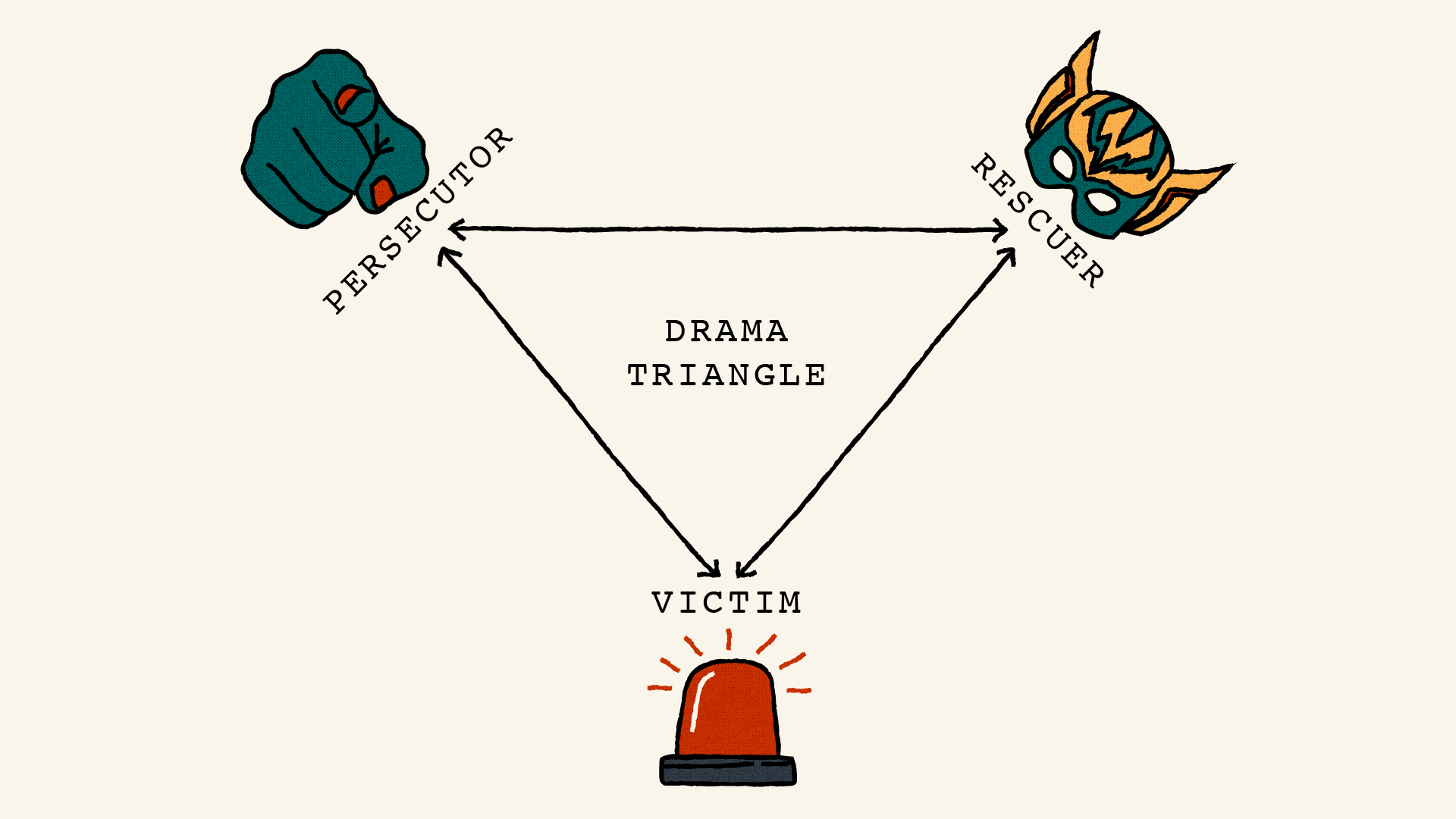
Since Act Build Change introduced us to the Drama Triangle theory, I’ve found it really useful in shaping how I build and support our leadership team. The model helped me recognise how easy it is in organising work to fall into the roles of rescuer, victim, or persecutor – especially when people are passionate, under pressure, or facing injustice.
I realised that as organisers and leaders, we can sometimes slip into ‘rescuer’ mode by trying to fix everything for people instead of building collective power and confidence. This theory has helped me focus more on shared leadership and accountability, and on creating space for others to step into their own power rather than relying on one person to solve problems.
It’s also changed how we communicate as a team during tense moments in the campaign. Instead of blaming, over-helping, or feeling stuck, we’ve tried to move conversations towards responsibility, support, and action. I’ve found it especially valuable because it gives a simple framework for understanding team dynamics without judgement – and it’s helped us build a healthier, more sustainable leadership culture under the pressures of campaigning.
Boundaries in practice
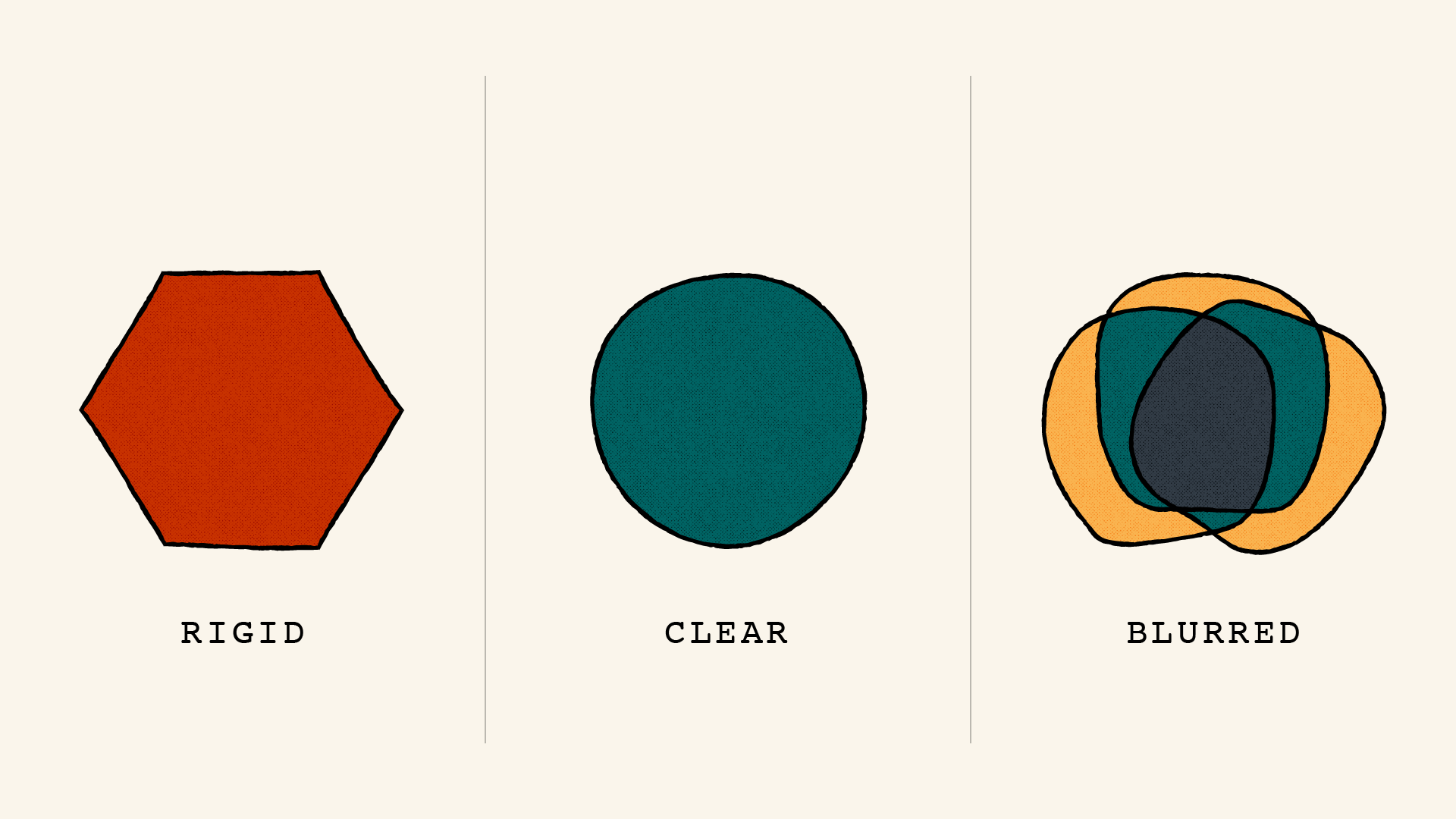
I have also learned the language and built the confidence to set clearer boundaries in my day-to-day work. This has shown up in simple but important ways: I have been clearer in my conversations with residents and colleagues, defined mine and others’ roles more precisely, and set expectations about what I can and can’t take on. I’ve become more comfortable saying, ‘I can help with this part,’ rather than feeling like I need to solve everything. I’ve found that this doesn’t reduce the quality of support – it improves it.
Having clearer boundaries has helped me be more consistent, more reliable, and more present in the support I give. It reduces ambiguity, which for me as an autistic professional makes a big difference. And it’s helped me manage my energy: instead of feeling like I need to respond to everything immediately, I’m more comfortable creating space – following up later, or taking time to reflect after more emotionally heavy conversations.
Caring about people doesn’t mean carrying everything for them. Organising is about developing the leadership of others – so when I carry the weight of the work for them, I’m not only harming my wellbeing, I’m undermining the purpose of the work itself. Before this training, I saw boundaries as a barrier to caring for others. Now I see them as what makes caring sustainable.
The housing issues we want to change can’t be fixed in a week or a month. This is long-term work – and without effective care, we won’t be able to build the power and leadership we need to win.